
Steve explains why psychological needs can be harder to recognise than physical needs, despite being important to our wellbeing and healthy development.

Psychological Needs
Are You Fulfilling Yours?
ABOUT THIS COURSE
Our psychological needs may be less obvious than our physical needs, but they are important to our wellbeing and development. When they are not fulfilled, we may experience anxiety, agitation or other difficult emotions without understanding why.
In this course, Professor Steve Peters explores common psychological needs such as self-identity, belonging, companionship, purpose and direction. He explains why everyone is unique and encourages you to identify which needs are most important to you.
Using County Lines as an example, Steve demonstrates how unmet psychological needs can leave people vulnerable to unhealthy influences that appear to offer identity, belonging and purpose.
You’ll be encouraged to reflect on how you currently fulfil your needs, recognise where they may have been displaced and consider how self-empowerment, individualisation and appropriate support can help you meet them constructively.
WHAT YOU’LL LEARN
This course explores our shared psychological needs, what can happen when they remain unfulfilled and how you can begin meeting your own needs constructively.
Common needs include self-identity, belonging, companionship, purpose and direction. Steve encourages you to identify which of these matter to you, recognising that everyone is unique.
Unmet needs can lead to anxiety, agitation, anger and frustration. Steve explores how these emotions may be signalling that something important has not been addressed.
When a need cannot be met directly, we may try to fulfil it elsewhere. Steve explains how displacement can be constructive but may also cause greater distress when it takes us in an unhealthy direction.
Using County Lines as an example, Steve explores how the promise of identity, belonging, role models and purpose can make young people vulnerable to coercion. He considers how similar patterns can also affect us as adults.
Steve explains how forming your own identity, values and direction can help you meet your needs more constructively. This includes making your own decisions, taking accountability and seeking appropriate support when needed.

Meet Professor Steve Peters
Professor Steve Peters is a consultant psychiatrist, bestselling author, and creator of The Chimp® Model. For more than 40 years, he has helped people understand their mind and improve their psychological wellbeing, working across NHS mental health services, education, and elite sport — including British Cycling, Liverpool FC, England Football, and Team GB.
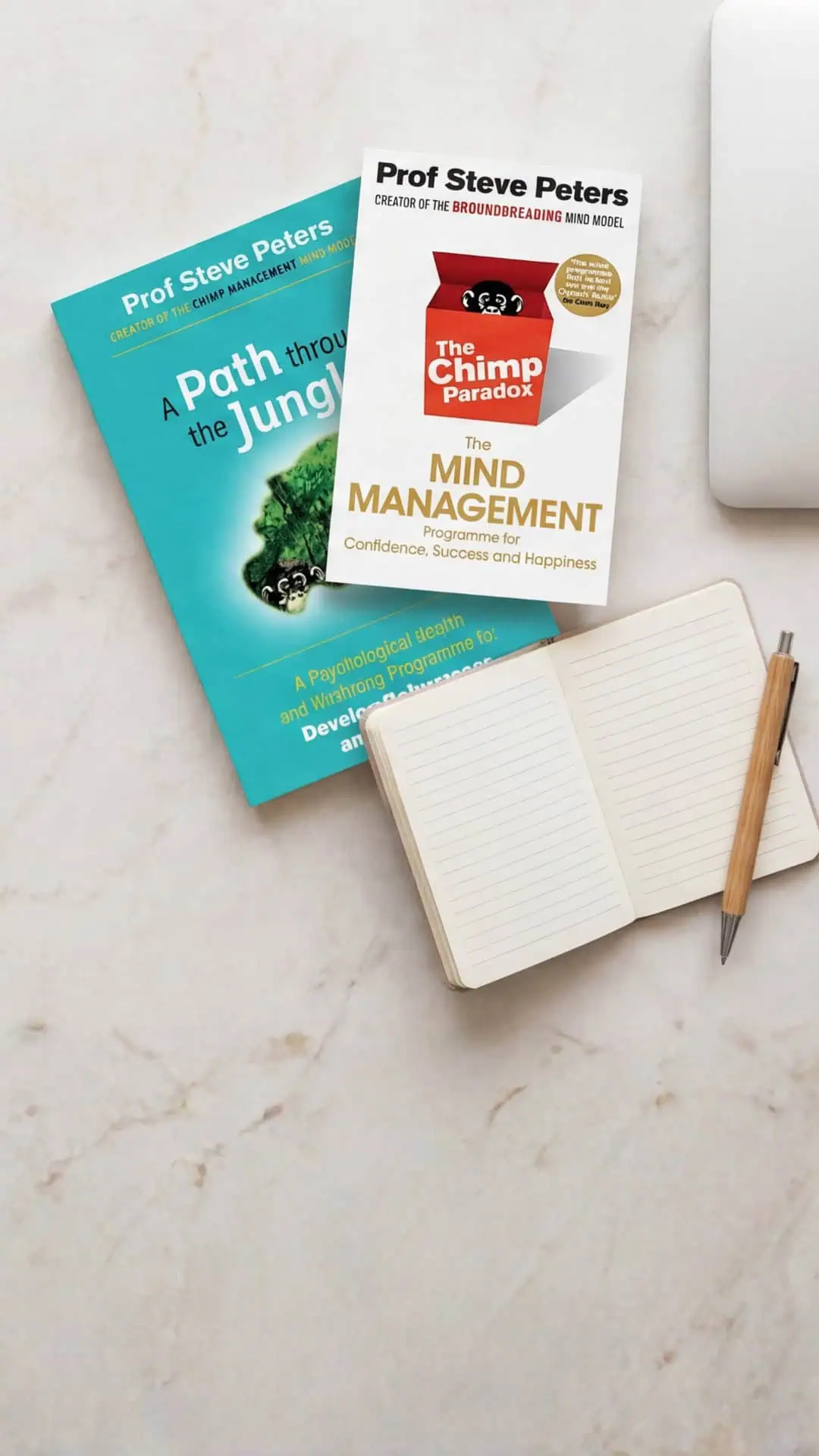
He is the author of several bestselling books, including The Chimp Paradox and A Path Through the Jungle, and continues to teach simplified neuroscience to help people manage their emotions, thinking, and behaviour.
Our Pricing
Best Value
£80 per year
Annual Subscription
(One-Time Payment)
Full access to all courses for 12 months.
£8 per month
Annual Subscription
(Billed Monthly)
Full access to all courses for 12 months.
£20 per course
Single course purchase
No subscription — 12-month single course access.



Course reviews
There are no published reviews for this course yet.